



The Promise vs. The Reality
Every year, millions of travelers book all-inclusive resorts with the same vision in their heads: unlimited food, unlimited drinks, unlimited fun — all for one flat price. It sounds almost too good to be true.
Sometimes it is. Sometimes it isn’t.
The internet isn’t short on opinions about all-inclusive resorts. Travel bloggers will tell you they’re a lazy tourist trap that keeps you walled off from real culture. Resort marketing will tell you it’s the ultimate in luxury and freedom. Neither is giving you the full picture.
Here’s what this article is: an honest look. Not a sales pitch, not a hit piece. I’ve spent a lot of time at all-inclusive resorts — including plenty here in Cancun — and I have a real opinion about them. That opinion is that I genuinely love them. But I love them because I understand exactly what they are, what they aren’t, and how to make the most of them.

So before you book — or before you write them off entirely — let’s talk about what’s actually going on behind that wristband.
The Real Reason All-Inclusives Work (And It’s Not the Buffet)
Most people think the appeal of an all-inclusive is the food and drinks. And sure, that’s part of it. But that’s not actually why they work.
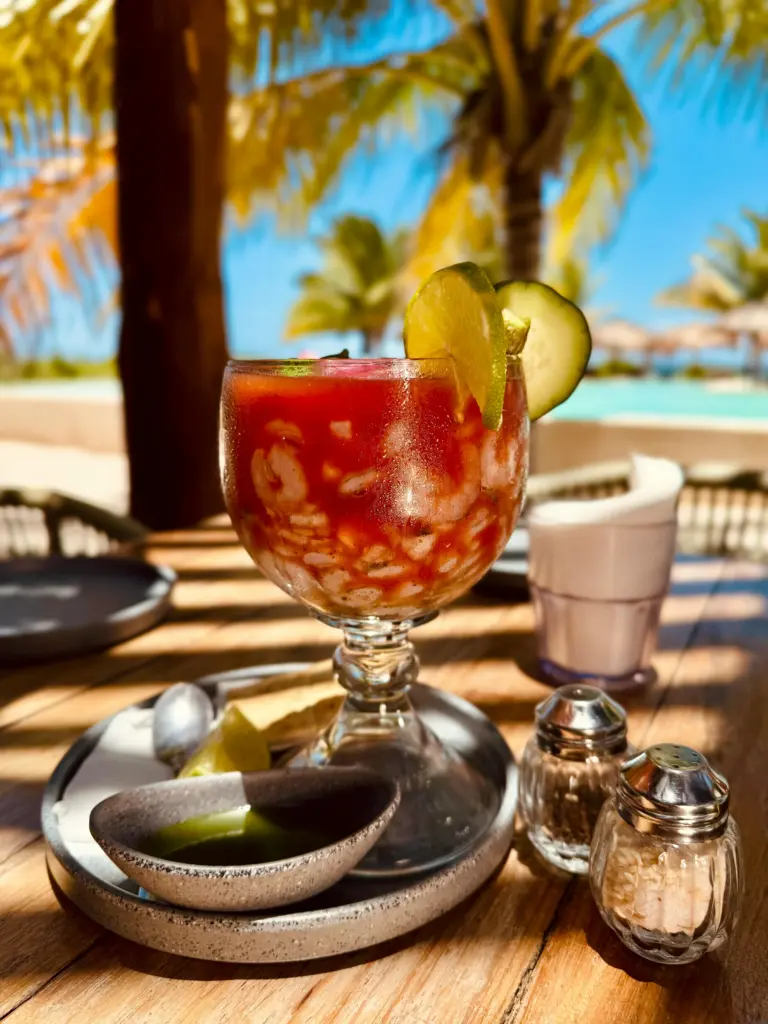
The real reason? They turn off the part of your brain that’s doing math.
Think about a typical vacation where you’re paying as you go. You sit down at a nice restaurant and the first thing you do — before you even look at the menu — is glance at the prices. You order the second-cheapest wine because the one you actually want feels excessive. You skip the appetizer because you’re already spending enough. You pass on that last drink at the pool bar because it’s $14 and you’ve already had two. None of these are big moments on their own, but they add up to something: a low hum of financial anxiety running underneath your entire trip.
You’re on vacation. But part of your brain never really left the office.
All-inclusive resorts don’t eliminate that problem by making everything cheap. They eliminate it by making the financial decision disappear entirely. You’ve already paid. The deal is done. When you sit down at dinner, the menu is just a menu — not a negotiation. When you feel like a third drink at sunset, you have a third drink at sunset. When you want that extra appetizer you’d normally talk yourself out of, you order it without a second thought.
There’s a specific kind of freedom that comes from that. A permission to be a little excessive, a little indulgent, a little gluttonous in the best possible way. You get the appetizer. You get the late-night dessert. You get the drink you wouldn’t have ordered if you were watching a tab. It’s a version of yourself on vacation that you don’t usually give yourself permission to be — and that changes the entire vibe of a trip in ways that are hard to explain until you’ve felt it.
Psychologists actually have a name for the broader concept: decision fatigue. The more choices we have to make, the worse we get at making them — and the more draining the whole process becomes. All-inclusive resorts, whatever their flaws, are a radical reduction in daily decisions. Where are we eating tonight? Wherever you want. How much should we spend? It doesn’t matter. Can we afford another round? Already taken care of.
That mental quiet is, for a lot of people, the actual vacation. Not the pool. Not the beach. The silence in your head where the money stress used to be.
Now — and this is important — that experience is only as good as the resort delivering on its end of the deal. Because the dirty secret of all-inclusive resorts is that “all-inclusive” rarely means what people think it means. And that’s where things get interesting.
What “All-Inclusive” Actually Means (And What It Doesn’t)
Let’s clear something up right away: all-inclusive does not mean all-you-can-eat. It means all-you-can-access — and access, it turns out, is something these resorts manage very carefully.
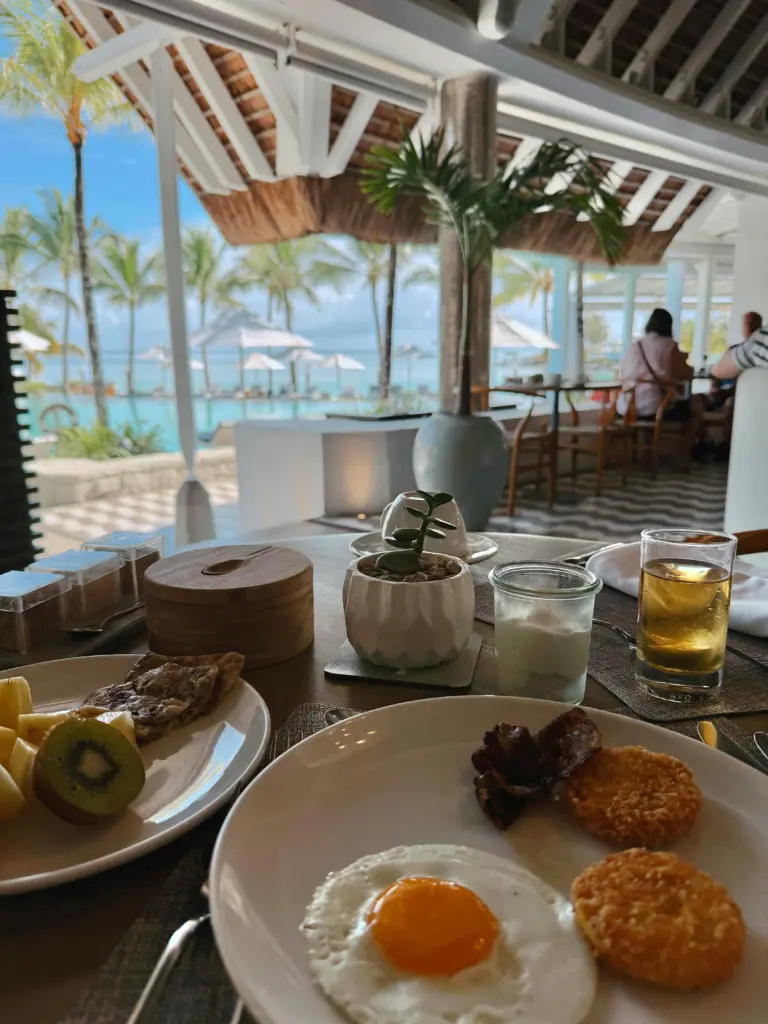
The word “all-inclusive” is a marketing term, not a legal one. There’s no standard definition, no regulatory body, no rulebook. Every resort gets to decide what it means for them. And what most of them have decided is that “all-inclusive” means you have access to a certain level of food, drink, and amenities — and that level is carefully designed to keep costs predictable for the resort while still feeling generous enough to justify the price tag.
Here’s how that plays out in practice.
The Tiered Restaurant System
Walk into most all-inclusive resorts and you’ll find two categories of dining. The first is the buffet — always open, always available, always included. The second is the specialty restaurants: the Italian place, the steakhouse, the sushi bar, the beachfront seafood spot. These are the restaurants you actually want to eat at. And here’s the catch: they typically require reservations, have limited seating, and many resorts cap how many times per stay you can dine at them.
That cap is the key. At a lot of resorts, you get one or two specialty restaurant reservations per stay, regardless of how long you’re there. The rest of your meals? Back to the buffet. The resort isn’t lying to you — those restaurants are included. You just can’t always get in.
The Reservation Game
Even when there’s no official cap, the reservation system itself acts as a throttle. Specialty restaurants open their booking windows at specific times — sometimes 24 hours in advance, sometimes the morning of your arrival. If you don’t know to book immediately upon check-in, you’ll find everything full for your first few nights. Guests who’ve been to that resort before know this. First-timers usually figure it out the hard way.
The Alcohol Tiers
The drinks situation follows the same logic. Beer, basic cocktails, and well liquor? Genuinely unlimited and genuinely included. Premium spirits, top-shelf tequila, craft cocktails, or anything that costs the resort real money? That’s often either excluded entirely or tucked behind an “ultra-premium” upgrade you have to pay extra for. Your piña colada is covered. Your Clase Azul tequila is a different conversation.
None of this means all-inclusive resorts are a scam. It just means you need to understand the game before you play it. The resort is running a business, and that business depends on managing consumption while maintaining the illusion of abundance. Once you see the mechanics, you can work with them — and get a genuinely great experience out of it. But going in blind is how people end up disappointed.
The Food and Drink Quality Tradeoff
Here’s the honest truth that resort brochures will never tell you: the food at an all-inclusive is almost always a step below what you’d get at a standalone restaurant at the same price point.
This isn’t an accident, and it isn’t necessarily a sign of a bad resort. It’s structural.

Why Volume Cooking Changes Everything
When a resort is feeding hundreds — sometimes thousands — of guests three meals a day, the kitchen operates completely differently than a restaurant that seats 60 people and turns tables twice a night. Dishes have to be prepped in enormous batches, held at temperature for extended periods, and designed to appeal to the broadest possible range of palates. The result is food that is almost always fine — safe, recognizable, inoffensive — and almost never exceptional.
The buffet is the most visible version of this. The sheer volume of options can feel impressive at first, but variety and quality are often working against each other. A buffet line with 40 dishes has spread its kitchen’s attention across 40 dishes. A focused restaurant with 10 dishes has put everything into those 10. You can feel the difference.
Where All-Inclusives Actually Do Food Well
That said, it’s not all bad news. Most resorts genuinely nail a few things. Breakfast buffets tend to be strong — eggs, pastries, tropical fruit, made-to-order stations — because breakfast is forgiving and the ingredients are simple. Casual poolside food — tacos, nachos, burgers — is usually decent because it’s hard to mess up and doesn’t need to be sophisticated. And the specialty restaurants, when you can actually get into them, are often a real cut above the rest of the property. They’re designed to impress, and a lot of them do.
The weak spots are usually dinner at the main buffet, anything that tries to be “fine dining” at scale, and seafood that’s been sitting in a chafing dish longer than it should have.
The Drinks Reality
On the beverage side, quantity is genuinely not an issue. You will never be refused a drink at a well-run all-inclusive. The question is just what that drink actually is. Cocktails are typically made with house-brand spirits and pre-mixed syrups. They’re perfectly drinkable, and after a couple of them in the sun by the pool, you probably won’t care. If you’re a cocktail enthusiast who cares deeply about fresh-squeezed juice and proper technique, you might find yourself wishing you were somewhere else. If you’re someone who just wants a cold margarita in your hand at all times without signing a check, you are going to be very happy.
The bottom line on quality is this: it’s a tradeoff, and it’s a knowable one. You are trading peak quality for unlimited access and zero financial friction. For a lot of people — on a lot of trips — that is a completely reasonable trade. The mistake is expecting both.
The “Fake All-Inclusive” Problem (Red Flags to Watch For)
Not all all-inclusive resorts are created equal. And while most of the limitations we’ve talked about so far are just the nature of the business model, there’s a different category of problem entirely: resorts that use the “all-inclusive” label as a marketing hook while quietly charging you for everything they can get away with.

This is the version that gives all-inclusives a bad reputation — and rightfully so.
How the Nickel-and-Diming Works
The tactics vary, but the pattern is consistent. You arrive expecting everything to be covered, and then the exceptions start piling up. That restaurant you want to try tonight? There’s a cover charge. Room service? Not included. The bottle of water in your minibar? Billed to your room. The motorized water sports, the paddleboards, the cooking class, the tequila tasting — all technically “activities at the resort,” all with a separate price tag.
Some resorts are upfront about these distinctions. Others bury them in the fine print of their website or simply wait until you’re already there and already committed to spring them on you. By that point, you’re not going to check out and find a different hotel — you’re going to pay it and feel vaguely annoyed for the rest of your stay.
Other common charges to watch for include:
- “Premium” or “à la carte” dining fees at restaurants that look like they’re included but aren’t
- Gratuity policies that technically require cash tips despite the all-inclusive promise
- Branded alcohol upgrades presented as the obvious choice when the included option is barely drinkable
- Resort credits that sound like perks but are only redeemable at the spa or golf course
- Airport transfers marketed as part of the package but billed separately at checkout
How to Vet a Resort Before You Book
The single best thing you can do is read recent reviews on TripAdvisor and Google, specifically filtering for mentions of unexpected charges. People who felt ripped off will say so, loudly and in detail. Look for reviews that describe their experience on arrival and at checkout — those are where the hidden charge complaints tend to surface.
Beyond reviews, here’s what to do before you commit:
- Call the resort directly and ask point-blank: what is not included in the all-inclusive rate? A good resort will answer this clearly. A resort that hedges, redirects, or gives you a vague answer is a resort worth being suspicious of.
- Read the inclusions list on the resort’s website carefully — not the marketing copy at the top, but the actual itemized list, which is usually buried further down the page or in the FAQ.
- Check if specialty restaurants require reservations or have fees, and whether there’s a cap on how many times you can visit them per stay.
- Ask about gratuities explicitly. Some resorts include them. Some don’t. Some have a “no tipping required” policy that staff will still accept tips on — which is fine — but others have a grey zone that creates awkward pressure throughout your stay.
The all-inclusive model, done honestly, is a genuinely good deal for a lot of travelers. But it only works when the resort is playing it straight. Do your homework, and you’ll know which kind you’re walking into.
Who All-Inclusive Is Perfect For
All-inclusive resorts aren’t for everyone — but they’re genuinely perfect for certain types of travelers. If you fall into one of these categories, the model is almost tailor-made for you.

Families with Kids
This might be the single strongest use case for all-inclusive. Traveling with children is expensive, unpredictable, and logistically exhausting. Kids eat at odd hours, change their minds about what they want, and have a talent for being hungry the moment you’ve just paid the bill somewhere. At an all-inclusive, none of that matters. Food is always available, snacks are always around, and there’s no bill arriving at the end of a meal to make you mentally calculate whether the trip is still within budget.
On top of that, the math almost always works in favor of families. You’re feeding multiple people, often all day long, plus drinks for the adults. The per-person cost of going à la carte at a resort destination like Cancun adds up fast. All-inclusive tends to win on pure economics the larger your group is.
Groups and Couples Who Want Low-Friction Vacations
Some trips are about exploration and adventure. Others are about decompression. If what you and your partner — or your group of friends — actually want from a vacation is to turn your brain off, sit by a pool, and not make a single difficult decision for five days, all-inclusive is the format designed for exactly that. Everything is on property. Everything is handled. The only question you have to answer all day is which pool chair you want.
For groups especially, all-inclusive eliminates a constant source of low-grade friction: the group dinner negotiation. Where are we going? What does everyone want? Is this place too expensive? Who’s splitting what? All of that disappears. You show up, you eat, nobody sees a check.
People Who Drink
This sounds blunt, but it’s just math. The economics of all-inclusive shift dramatically based on your drinking habits. If you’re someone who has two or three cocktails a day on vacation — which is genuinely not that many when you’re sitting by the ocean in the sun — you’re looking at $30 to $50 per day in drinks at a standard resort bar. Over a five-day trip, that’s $150 to $250 per person, before food. All-inclusive packages that cost $50 to $100 more per night than non-inclusive rates start looking like very good deals very quickly.
If you drink at all on vacation, you should run this number before assuming all-inclusive is the more expensive option. It frequently isn’t.
First-Time Visitors to a Destination
When you don’t know a place, all-inclusive removes the anxiety of figuring it out. You don’t know which restaurants are worth going to, which neighborhoods are safe to wander at night, or how far anything is. An all-inclusive lets you land, settle in, and enjoy without needing to research your way through every meal. Once you’ve been to a destination a few times and know it well enough to explore confidently, you might find yourself wanting more freedom. But for a first trip? The contained experience is often a genuine relief.
Who Should Skip It
Just as all-inclusive resorts are a near-perfect fit for some travelers, they’re genuinely the wrong choice for others. Being honest about this is part of making a good decision — and it’s something the resorts themselves will obviously never tell you.
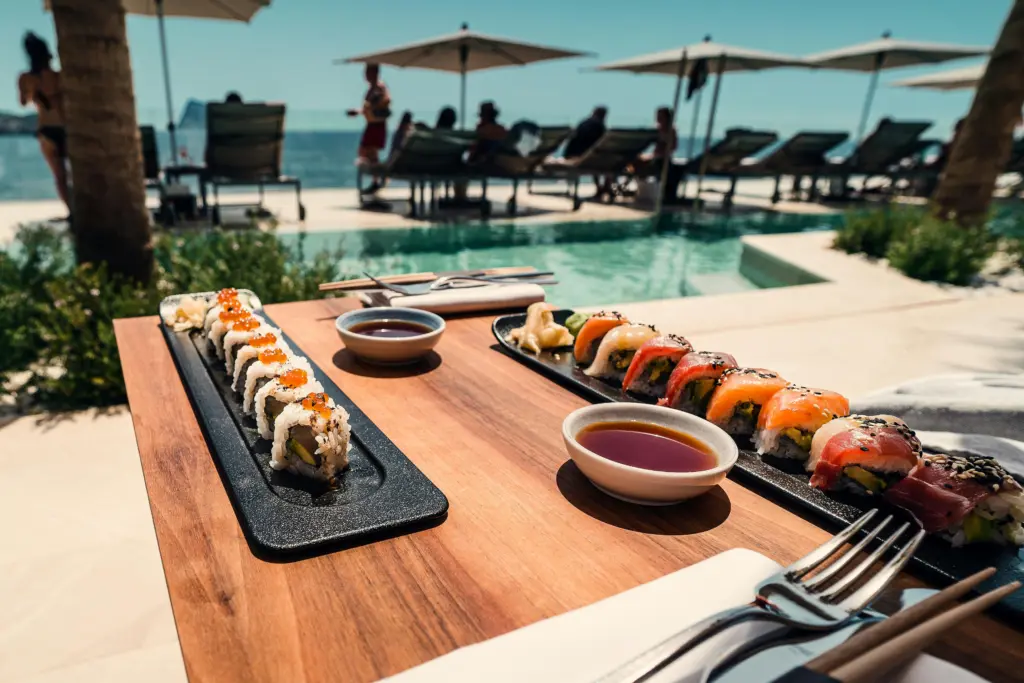
Foodies and Culinary Explorers
If food is a central part of how you experience travel — if you research restaurants before you book flights, if you want to eat where the locals eat, if you care deeply about whether the fish was caught this morning — an all-inclusive will frustrate you. The food is designed for mass appeal, not culinary ambition. You will find yourself eating decent meals when you could be eating memorable ones.
Cancun and the Riviera Maya, specifically, are surrounded by incredible food. There are taco stands that will change how you think about tacos. There are local seafood spots that would make a food critic weep. There are small restaurants run by families who have been cooking the same regional recipes for generations. If that’s the version of Mexico you came to experience, staying on a resort property for every meal is a significant opportunity cost. You’re not saving money by eating at the buffet if the meal you’re missing would have cost $8 at a spot ten minutes away and been twice as good.
People Who Want to Experience Local Culture
A well-designed all-inclusive resort is, by intention, a self-contained world. Everything you need is on the property — which also means there’s very little reason to ever leave it. For some travelers, that’s the point. For others, it’s the problem.
If your idea of travel involves wandering through local markets, striking up conversations with people who actually live there, getting slightly lost in a neighborhood you’ve never heard of, and coming home with stories that don’t involve a swim-up bar — the all-inclusive format is working against you. You can leave the resort, of course. But the gravitational pull of having everything paid for already is real, and a lot of people find that they leave the property far less than they planned to.
Light Eaters and Non-Drinkers
The all-inclusive model is built on the assumption that you’ll consume enough to justify the premium baked into the nightly rate. If you’re someone who eats lightly, skips alcohol, and doesn’t particularly want to sit at a buffet three times a day, you are essentially subsidizing everyone else’s vacation. The math doesn’t work in your favor.
This isn’t a moral judgment — plenty of people who eat and drink modestly still love the all-inclusive experience for other reasons. But it’s worth being clear-eyed about. If you typically have a small breakfast, a light lunch, and one glass of wine with dinner, you will almost certainly spend less money — and eat better — by booking a non-inclusive room and paying as you go.
Travelers Who Hate Feeling Contained
Some people find the all-inclusive bubble suffocating after a day or two. There’s a particular personality type — restless, curious, allergic to routine — that does not do well when the implicit message of their environment is everything you need is right here, no need to go anywhere. If you’ve ever been on an all-inclusive vacation and found yourself eyeing the resort exit by day two, wondering what’s out there, this might be you.
There’s no shame in it. Some people vacation to decompress inside a comfortable container. Others vacation to break out of containers entirely. Knowing which one you are before you commit to five nights on a property is genuinely useful information.
The Real Math: Do You Actually Save Money?
One of the most persistent myths about all-inclusive resorts is that they’re automatically the expensive option. Another persistent myth is that they’re automatically the smart, money-saving option. Neither is reliably true. Whether all-inclusive saves you money depends almost entirely on how you vacation — and doing the math yourself, for your specific trip, is the only way to know.

Here’s how to think about it.
The Breakeven Calculation
Start by finding the price difference between the all-inclusive rate and the room-only rate at the same resort, or a comparable non-inclusive property nearby. That difference — say it’s $80 per person per night — is what you need to “spend” in food and drinks each day just to break even.
Now think honestly about how you actually vacation. Breakfast, lunch, dinner, and drinks for one person at a resort destination like Cancun will typically run between $80 and $150 per day if you’re eating at decent restaurants and having a few drinks. If you’re eating exclusively at local spots off the resort strip, you can do it for considerably less — Cancun has genuinely excellent, genuinely affordable local food if you know where to look.
Run the numbers for your actual trip length, your actual party size, and your actual consumption habits. You might find the all-inclusive premium pays for itself by day two. You might find you’d have to eat and drink at a pace that’s genuinely unreasonable to make it work. Most people find the truth is somewhere in the middle — it’s roughly a wash, with the all-inclusive version offering more convenience and the pay-as-you-go version offering more quality and flexibility.
When All-Inclusive Wins Financially
The math tends to favor all-inclusive in a few specific situations. Large groups and families, as mentioned earlier, almost always come out ahead — you’re spreading the fixed cost across more people, all of whom are eating and drinking throughout the day. Heavy drinkers come out ahead quickly, since resort drink prices are high and the per-drink math adds up faster than most people expect. Longer stays also tend to tip the scales toward all-inclusive, since the convenience premium gets amortized over more days.
When All-Inclusive Loses Financially
The math tends to work against all-inclusive when your party is small, when you’re light eaters or non-drinkers, or when you’re genuinely willing to eat off-resort. That last one is the sleeper variable that most people don’t account for honestly. Yes, in theory you could save money by leaving the resort and eating at local spots every day. In practice, a lot of people don’t — because it requires effort, planning, and transportation, and because the pull of convenience is strong when you’re already paying for the resort amenities. Be honest with yourself about whether you’re actually going to do it before you count those savings.
The Cancun Angle
Cancun specifically is a place where this calculation has interesting nuance. The Hotel Zone — the main resort strip — has resort-priced restaurants that are genuinely expensive. But Cancun also has a real local city with incredible food at street-market prices. Cochinita pibil tacos for a few dollars. Fresh ceviche at spots where the locals actually eat. Markets and neighborhood restaurants that represent some of the best regional Mexican cooking you’ll find anywhere.
If you’re the kind of traveler who will actually venture into the city, rent a car, or hop in a cab to find those spots — the pay-as-you-go model starts looking very attractive. If you know yourself well enough to know you’ll spend most of your trip by the pool and won’t leave the Hotel Zone, the all-inclusive almost certainly makes more sense.
The honest answer to “do you save money?” is: it depends. But it’s a question you can actually answer for yourself in about ten minutes if you do the math honestly — and those ten minutes are worth doing before you commit.
How to Get the Most Out of an All-Inclusive
If you’ve decided an all-inclusive is the right call for your trip, the difference between a good experience and a great one usually comes down to a handful of things that experienced all-inclusive travelers know and first-timers don’t. None of it is complicated — it’s just the kind of insider knowledge that takes a few trips to accumulate.

Book Your Specialty Restaurants Before You Arrive
This is the single most important tip on this list. Most resorts now allow you to make dining reservations online before your stay begins. Do it. The moment your booking is confirmed, go to the resort’s website or app and lock in your specialty restaurant reservations for the nights you want them. The best slots — 7pm on a Saturday at the beachfront restaurant — will be gone before you land if you wait.
If the resort doesn’t offer pre-arrival booking, your very first move upon check-in should be making those reservations — before you go to your room, before you change into your swimsuit, before you do anything else. The guests who arrive an hour before you already have the good tables.
Read the Full Inclusions List Before You Go
Not the marketing copy. The actual list. Most resort websites have a detailed breakdown of exactly what is and isn’t included in the all-inclusive rate, usually buried in the FAQ or the “dining and drinks” section. Read it before you arrive so there are no surprises. Know which restaurants require reservations, which activities have fees, what the alcohol situation is, and whether room service is covered. Walking in informed means you can focus on enjoying yourself instead of decoding the fine print poolside.
Ask About the Upgrade on Arrival
Many resorts offer a tiered all-inclusive experience — a standard level and a premium level with access to better restaurants, top-shelf spirits, and additional amenities. Sometimes the upgrade is worth it. Sometimes it isn’t. What most guests don’t know is that front desk staff often have discretion to offer upgrade deals at check-in, especially if occupancy isn’t full. It never hurts to ask politely if there are any upgrades available and what they include. The worst they can say is no.
Tip Strategically
This is a topic that sparks real debate in travel communities, but here’s the practical reality: at most all-inclusive resorts, tipping is not required and in some cases is officially discouraged. But the staff who take care of you — the bartender who learns your usual order by day two, the server who gets you into the good restaurant, the beach attendant who saves you a chair — are working hard, and a small tip goes a long way in terms of the quality of service you receive for the rest of your stay. A few dollars at the right moment, early in your trip, is one of the most cost-effective investments you can make in your own vacation experience.
Arrival and Departure Day Strategy
Most resorts have a checkout time around noon and a check-in time around 3pm. That means your first and last days are partial days — and a lot of guests don’t think about how to handle them. On arrival day, head straight to the pool or beach bar once you’ve dropped your bags, even if your room isn’t ready. You’re already paying for that day — use it. On departure day, ask about late checkout. Many resorts will grant an extra hour or two at no charge, especially if occupancy allows. If you have a late flight, ask whether you can keep using the resort facilities after checkout — pools, restaurants, and beach access are often available until your transfer, which can turn an awkward half-day into a genuinely enjoyable morning.
Don’t Try to “Win” the All-Inclusive
Finally, a mindset note: the guests who have the worst time at all-inclusive resorts are often the ones who approach the whole thing as a consumption competition — eating past the point of enjoyment, drinking more than they actually want, feeling vaguely guilty if they skip a meal because they’ve “already paid for it.” That’s not a vacation. That’s a chore.
The goal isn’t to extract maximum value out of the resort. The goal is to relax, enjoy yourself, and leave feeling like you had a genuinely good trip. Sometimes that means three meals and six drinks. Sometimes it means a light lunch by the pool and an early night. Let the lack of a price tag free you from financial stress — but don’t replace that stress with a different kind of pressure. The wristband is there to liberate you, not obligate you.
The Honest Verdict
So — are all-inclusive resorts worth it?
Yes. For the right person, on the right trip, with the right resort, they absolutely are.

But the key phrase is the right person. All-inclusive resorts are not a universally superior way to travel. They are a specific format with real strengths and real limitations, and the travelers who love them most are the ones who chose them deliberately, with a clear sense of what they were getting into.
Here’s a simple framework for making the call: think about the vacation you actually want to have — not the one that sounds most impressive, not the one that makes you seem like a savvy traveler, but the one that will leave you feeling genuinely rested, happy, and glad you went.
If that vacation involves total decompression, a pool, freedom from decisions, and permission to eat and drink without a second thought — all-inclusive is your format. Book it, embrace it, and stop apologizing for it. There is nothing wrong with wanting a vacation that asks nothing of you.
If that vacation involves culinary adventure, local immersion, wandering without a plan, and experiences that couldn’t happen inside a resort gate — skip the all-inclusive. Pay as you go, leave the property, eat where the locals eat, and spend your money on experiences rather than access.
And if you’re somewhere in the middle — which most travelers are — the decision usually comes down to the math, the destination, and your honest read on how you actually behave on vacation versus how you imagine you will.
Cancun, specifically, is one of the best places in the world to do an all-inclusive right. The resorts here range from excellent to extraordinary, the weather is reliably incredible, and the beach speaks for itself. We’ve spent a lot of time reviewing the properties along the Hotel Zone and the Riviera Maya — the ones worth your money, the ones to avoid, and the hidden gems that deliver a genuinely exceptional experience at every price point.
If you’re ready to start planning, we’ve got you covered.